Nucleus In development

The digital image intensifier tube

Nucleus puts a sensor, a processor and a display into the form factor of a classic image intensifier tube. It fits wherever analog tubes fit today, makes the device digital and brings the data straight to the eye.

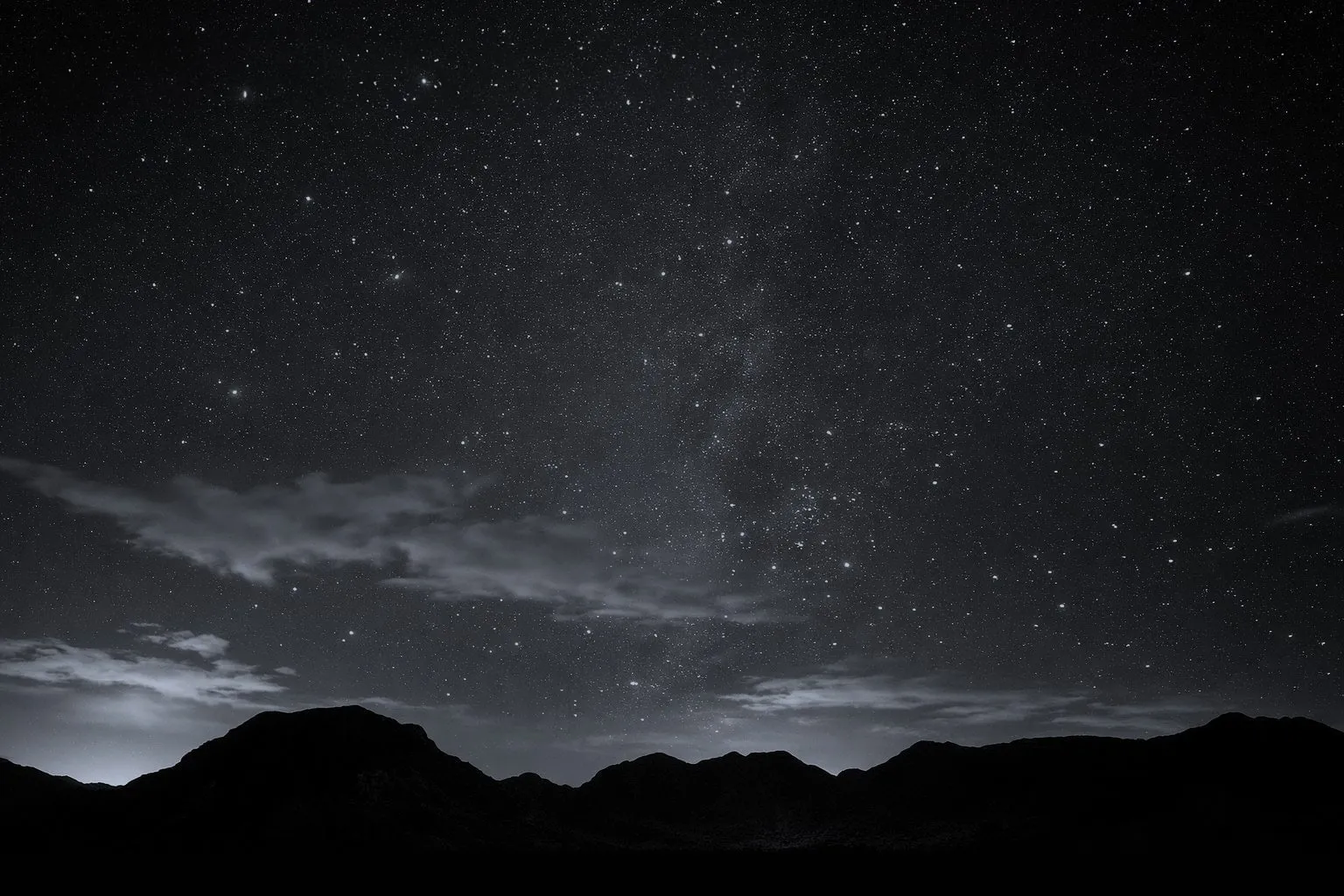
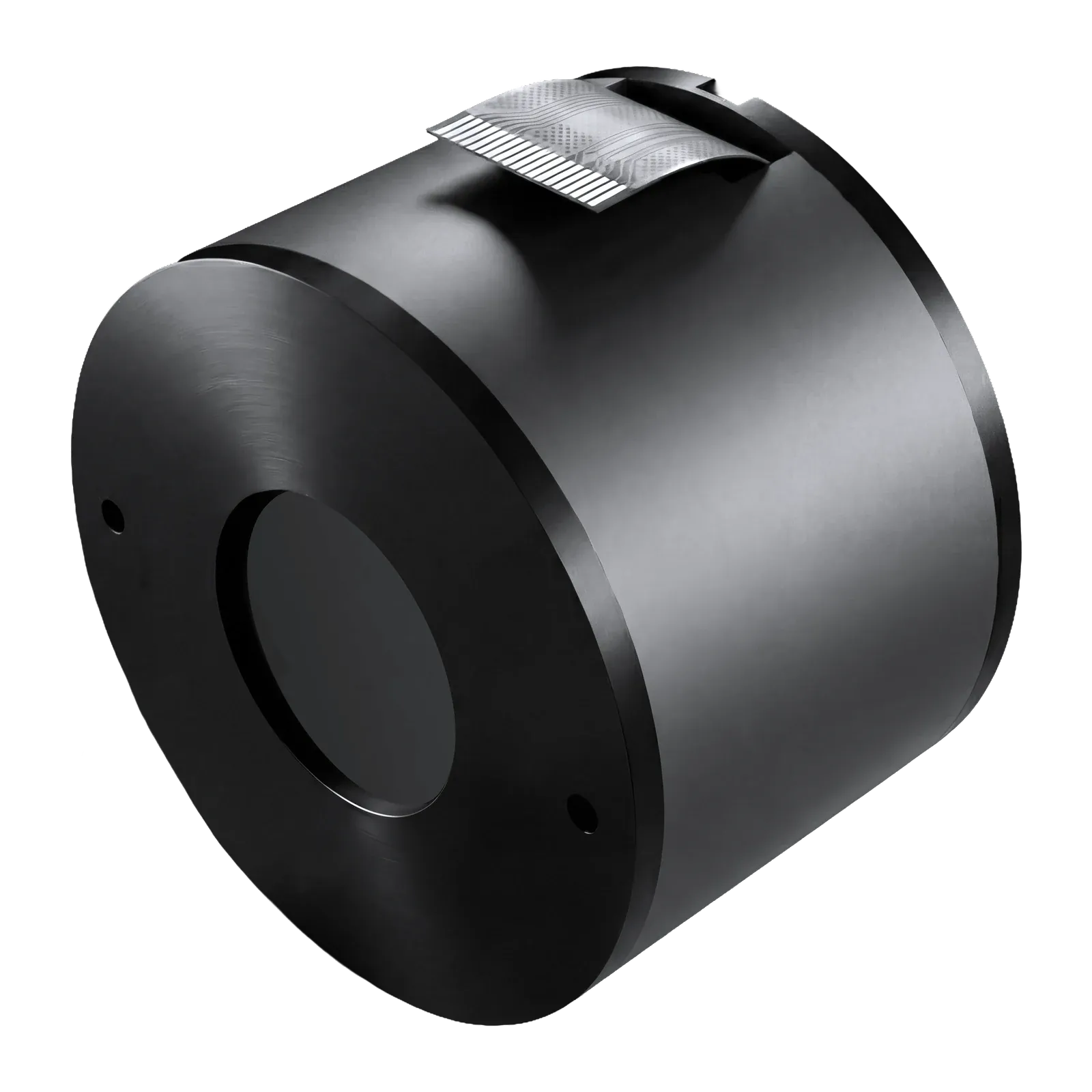
Nucleus: a short black metal cylinder with a lens opening at the front and a flex connector on top.

Same shape. New inside.

Nucleus has the form factor of a classic analog tube. It fits into the goggles, scopes and other devices already in service, turning past investments into digital capability.

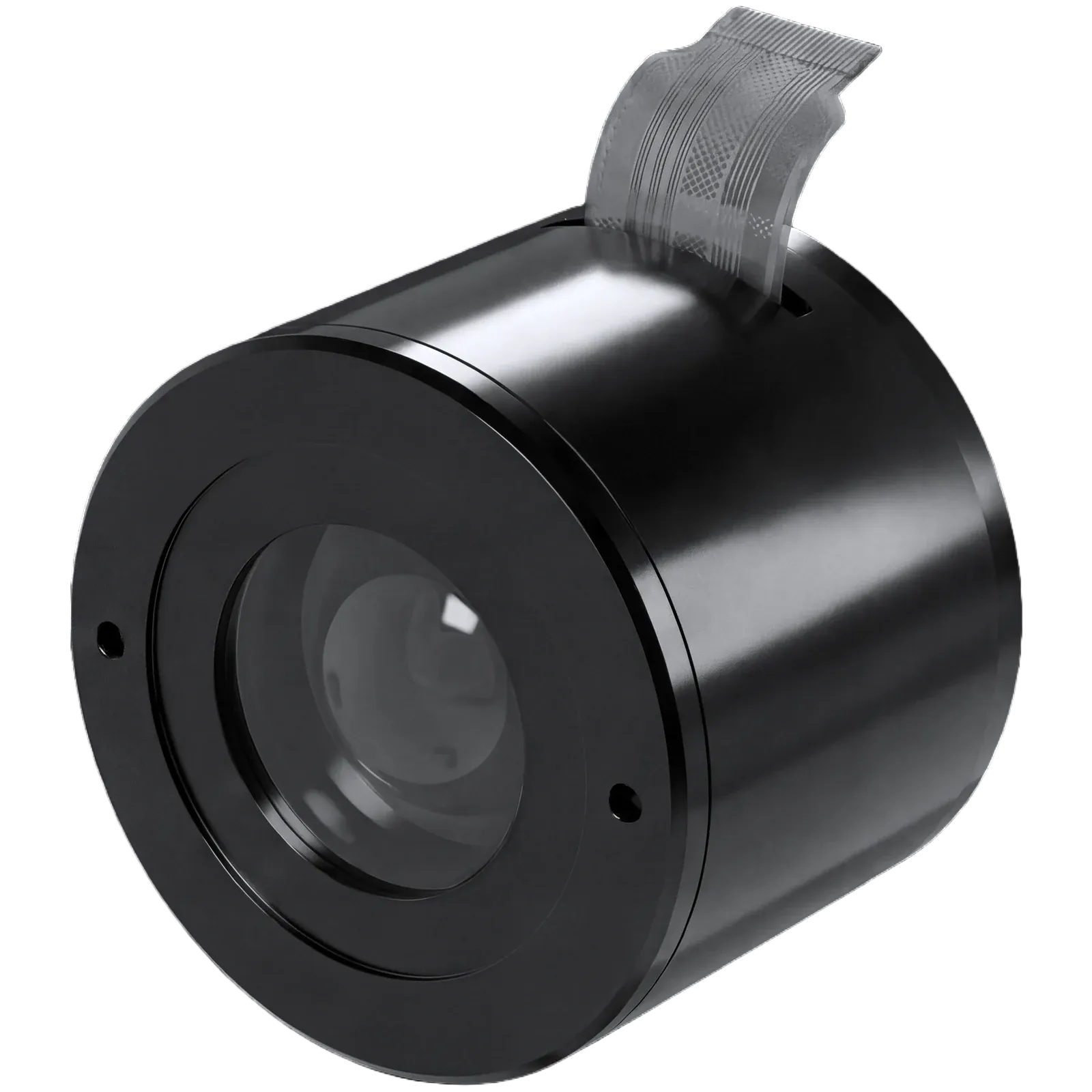
An analog image intensifier tube.
Analog Image intensifier tube
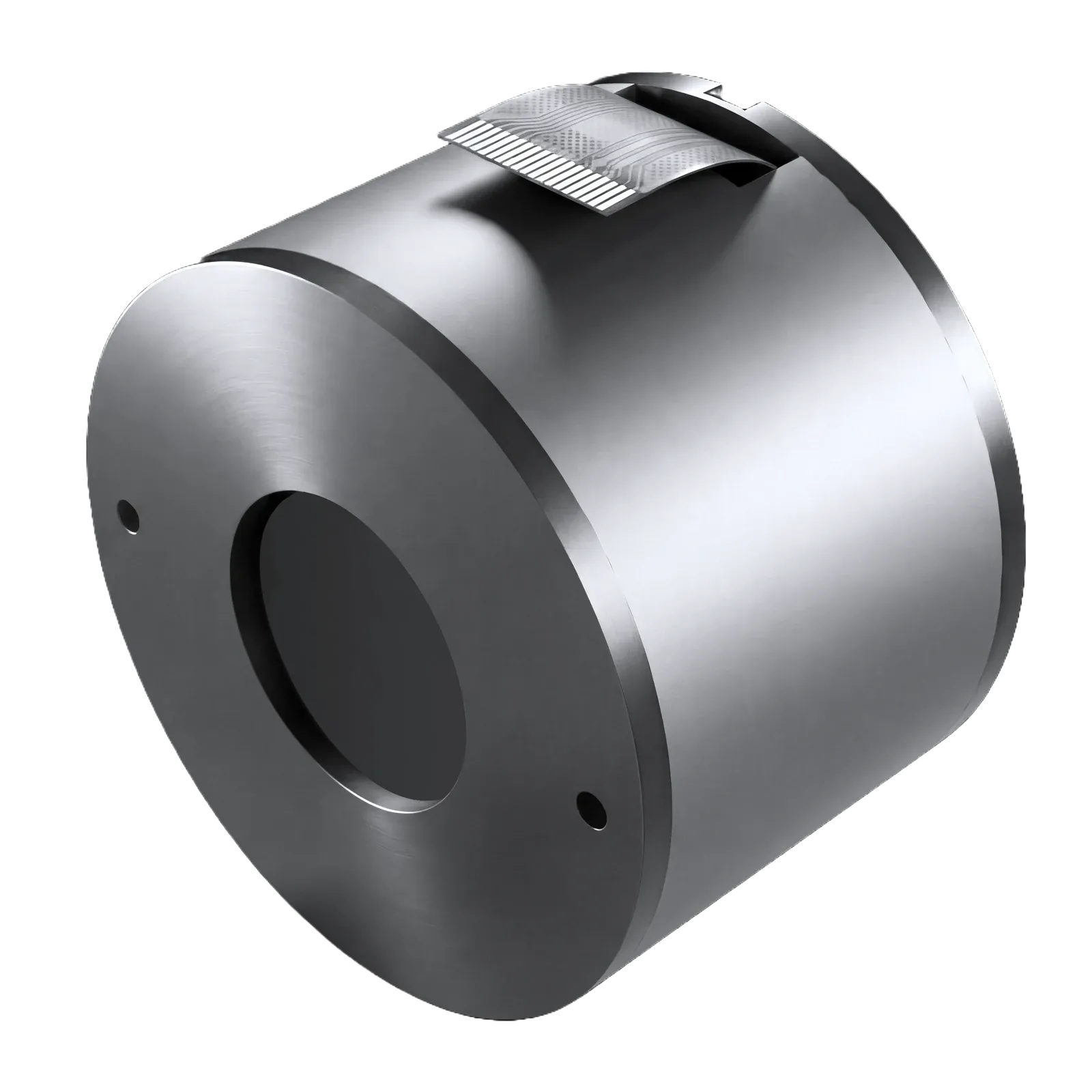
Nucleus, next to it at the same size.
Digital Nucleus

Analog and digital, side by side

Nucleus does not replace analog night vision. It complements it. Analog tubes come from a few manufacturers, in limited numbers and at a high price. A digital tube is built from components that can be produced at scale, so night vision can reach the whole team rather than a few.

Analog Image intensifier tube

  1. Residual lightStarlight and moonlight, too faint for the eye.
  2. PhotocathodeTurns the light into electrons.
  3. Microchannel plateMultiplies the electrons thousands of times.
  4. Phosphor screenTurns them back into a green image.
  5. EyeSees light, and only light.

The image exists only as light inside the tube. Nothing can be added to it, stored or shared.
Digital Nucleus

  1. Residual light or heatThe same faint light, or the heat of the scene.
  2. SensorTurns it into a digital image.
  3. ProcessorEnhances the image and adds information.Network
  4. DisplayShows image and data in the eyepiece.
  5. EyeSees the scene, and what the network knows.

The image is data from the first step. It can be enhanced, overlaid, recorded and shared.

Inside the tube

An analog tube turns light into electrons and back into light. Nucleus turns it into data first, and that changes what the device can do.

  1. 01Sensor

    Captures what little light there is, or the heat of the scene in the thermal version, and turns it into a digital signal.

  2. 02Processor

    Processes the image on board and in real time, from noise and contrast to functions supported by AI.

  3. 03Display

    Shows the result in the eyepiece, where the phosphor screen of an analog tube used to sit.

  4. 04Interface

    Carries power and data between the tube and its host device, and from there into the network.

A line drawing of Nucleus taken apart along the light path: light enters a sensor at the front, a processor behind it handles the data, a display at the back shows the image to the eye, and an interface on top connects the tube to its host device.

Two sensors, one tube

Both versions share the housing and the interface, so a device can carry either of them, or both, as Atom does.

NV Night vision

Amplifies starlight, moonlight and the glow of the night sky into a clear image, as an analog tube does, but as data, and from visible light into short-wave infrared.

TH Thermal

Sees the heat that people, vehicles and engines give off, in complete darkness and through smoke.

From analog optics to a digital platform

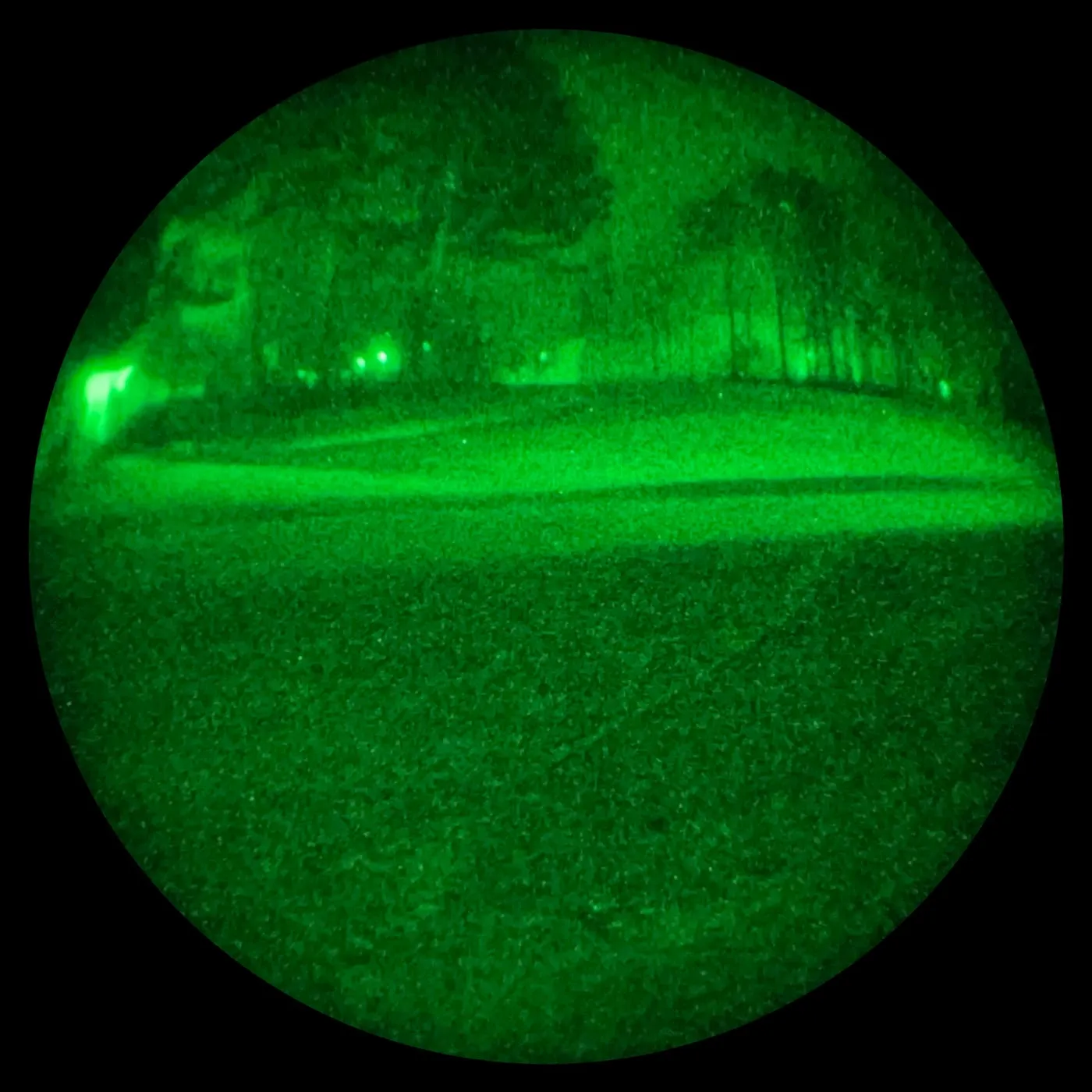
Analog night vision

An analog night vision device amplifies residual light into a visible image. What it shows stays in the tube: nothing is recorded, processed or shared, and the device does not improve over it's lifetime.

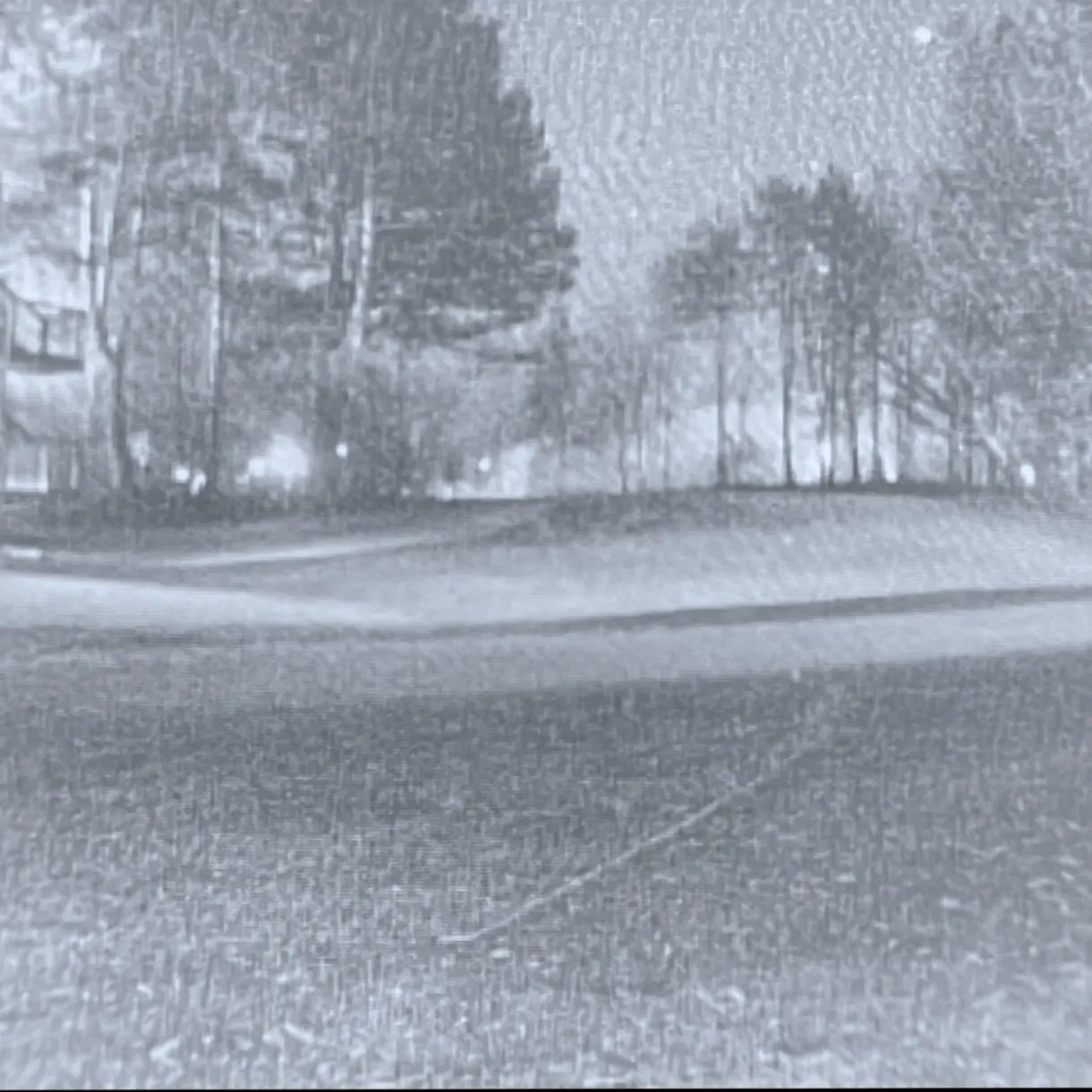
Digital night vision

Nucleus turns the same analog scene into data. The image can be enhanced, overlaid with information and recorded, and the device gets better with every software update.

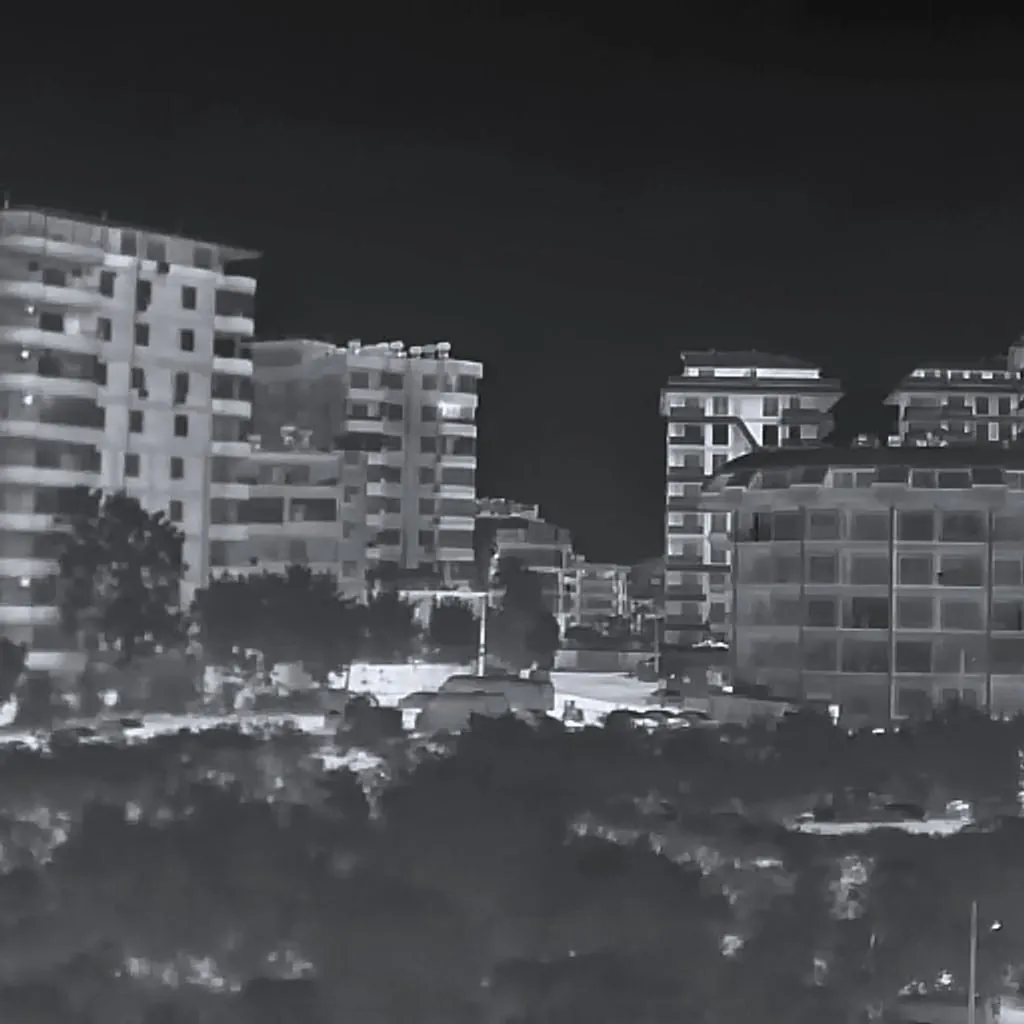
Thermal

The thermal version sees heat instead of light, so people, vehicles and engines stand out in complete darkness and through smoke. Same housing, same overlay, same interface.

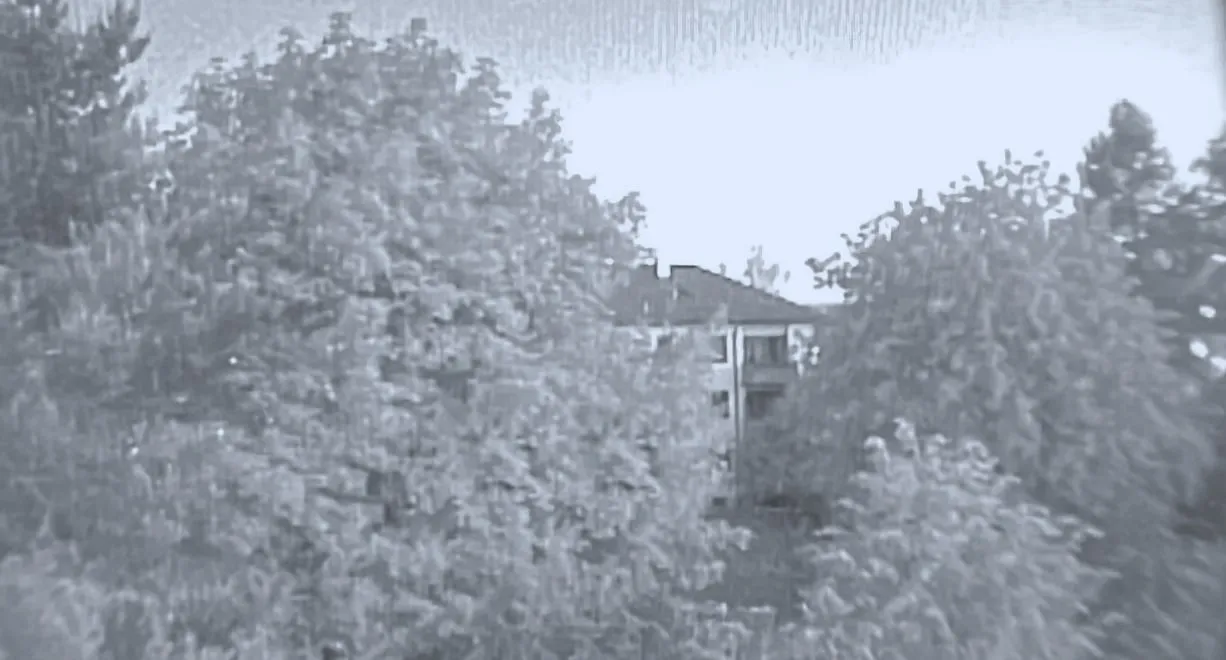
Shared view

Devices link up and pass their images on. A drone's camera or a teammate's view comes up in the same eyepiece, so what one of them sees, all of them can see.

A field at night, seen through an analog image intensifier tube as a grainy green image, then through a digital night vision device as a sharper white image with heading, position, a waypoint and recording status overlaid. The thermal stage shows a town at night as heat, buildings and trees in white and grey. Finally a live feed from a drone above the trees comes up in the same view, with its altitude, signal and the number of devices it is shared with.

At a glance

Contact

Talk to us about Nucleus in your devices, or about a joint project.

Save contact

Address

NocturaSys GmbH
Lichtenbergstraße 8
85748 Garching b. München
Germany